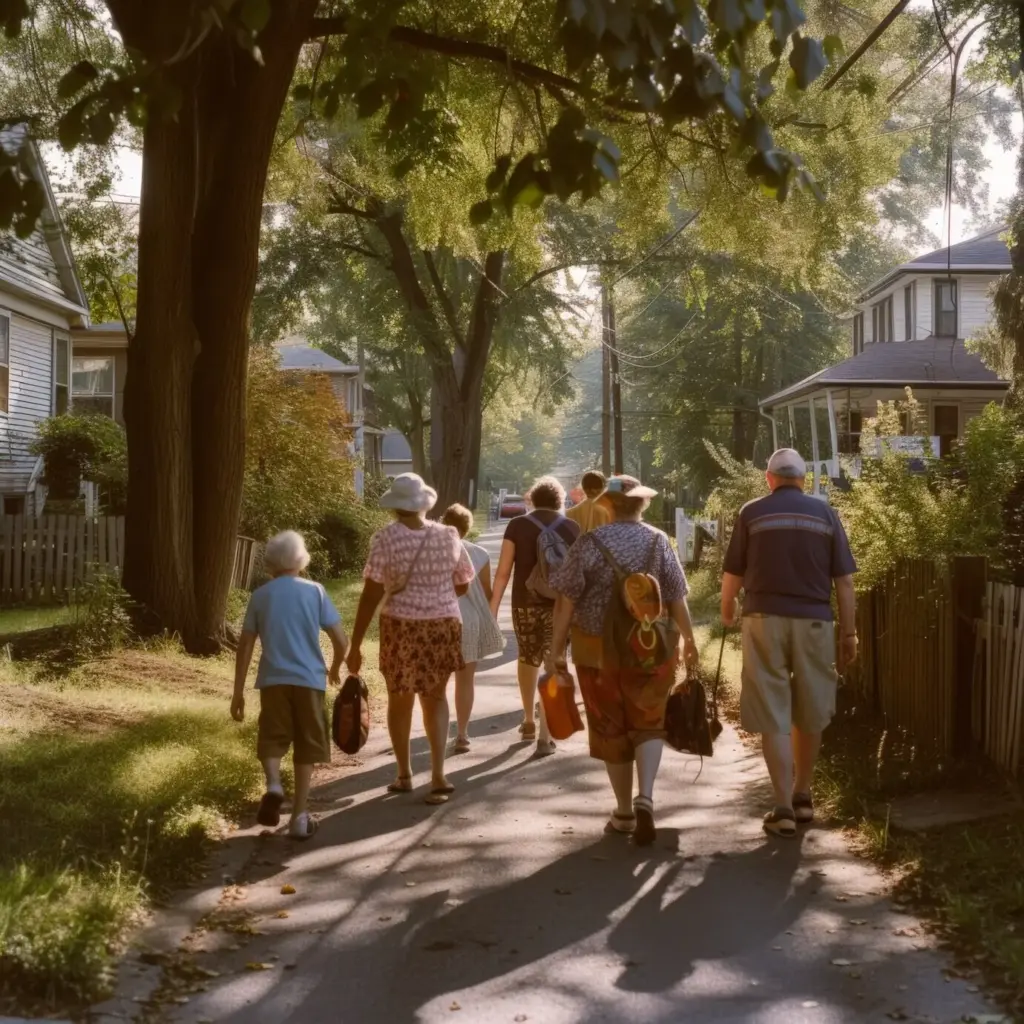
Step Into Streets That Simplify Your Day
Proximity That Works Harder Than Your Engine
Sidewalks That Invite, Not Endure
Continuous Paths and Thoughtful Curb Ramps
Interrupted sidewalks break momentum and confidence, particularly for mobility aids. Consistent surfaces, gentle slopes, and curb ramps placed directly at crosswalks transform the experience from effortful to empowering. Materials matter: firm, even textures reduce tripping risk and help wheels glide. Aligning ramps, avoiding steep driveways, and maintaining drainage protect dignity as much as ankles. Paired with tactile paving and audible cues at intersections, these details invite independence for people of all ages, ensuring daily errands remain feasible even when carrying bags, guiding children, or navigating unpredictable weather.
Crossings You Barely Notice
The best crosswalks feel unremarkable because they seamlessly extend the sidewalk. Tight corner radii slow cars, raised tables reduce speed, and daylighted corners improve visibility by keeping parked vehicles back. Markings are bold, signals quick, and refuge islands forgiving. When crossing stops feeling like a gamble, errands expand across both sides of the street. You start choosing routes for flavor rather than fear, wandering to the café with the friendlier barista or the tailor who remembers your name. Confidence multiplies commerce, conversation, and willingness to explore.
Transit as a Walking Multiplier
Frequency You Can Trust
Timetables matter less when buses and trains arrive often. High frequency turns catching transit into a casual decision rather than a timed mission, which fits the fluid nature of errands. Short waits smooth over delays, and frequent service re-centers walking at both ends of the ride. Combine this with visible countdown clocks and you get a reliability you can feel in your shoulders. Light, predictable friction invites more trips, diversifies destinations, and helps households lower transportation costs without sacrificing spontaneity or time with family and friends.
Stops That Feel Like Places
Transit stops work best when they belong to the street, not the gutter. Shelters, seating, lighting, and nearby shops create a sense of hospitality. When you can grab a loaf of bread, return a library book, and board under one canopy, errands align naturally. Clear maps, accessible platforms, and level boarding remove invisible barriers. A dignified stop communicates respect, signaling that everyday riders deserve comfort. As the waiting environment improves, more people linger safely, supporting small businesses and knitting transit into the neighborhood’s daily heartbeat.
First and Last Steps Made Easy
Even frequent transit falters if the path to and from stops feels risky or confusing. Direct sidewalks, protected crossings, and bike parking make transfers fluid. Wayfinding signs, lighting, and planted buffers add calm. Think of rolling carts, small children, or a heavy backpack—every detail matters. Provide curb ramps aligned with doors, snow clearance, and quick signal response, and the system feels coherent. The goal is simple: let your feet carry you easily to the ride, and from the ride to your errands, without a second guessing detour.
Lighting and Visibility With Purpose
Eyes on the Street, Not on a Screen
Micromobility and Clever Carrying
Bikes and Carts That Carry Real Life
Parking, Storage, and Trust
Options for Every Body
Rituals, Stories, and Local Joy