Confident Homebuying in 15‑Minute Neighborhoods

Today we’re exploring A Buyer’s Guide to 15‑Minute Neighborhoods, translating buzzwords into practical checklists for everyday life. Understand how to measure walkability, weigh trade‑offs, and forecast value. Hear buyer stories, learn expert shortcuts, and grab questions to ask agents, planners, and neighbors before you sign. Share your questions and local tips in the comments and subscribe for upcoming checklists.

What the concept actually means

Think beyond marketing slogans. The idea centers on time‑based access, not just distance on a map. Hills, crossings, lighting, and curb cuts alter real travel time. We’ll show how to ground evaluations in timed walks, lived experience, and conversations with people who use streets daily.

How cities implement it

Different places pursue similar outcomes through varied tools: mixed‑use zoning, safer crosswalks, school siting, and bus lanes. Compare pilot corridors to fully retrofitted districts. Look for street trees, traffic calming, and corner stores. Ask about maintenance budgets, staffing, and timelines that determine whether promises actually endure.

Why it matters to buyers

Convenience shapes daily wellbeing, commute stress, and even grocery freshness. Reduced car dependence can shrink budgets and open time for family or hobbies. Strong local access often buffers fuel price shocks and road disruptions, while lively streets foster networks that support childcare swaps and neighborly assistance.

Scoring Everyday Amenities on Foot or Wheels

Groceries, healthcare, and errands

Check fresh produce turnover, local sourcing, and price transparency. Compare clinic appointment availability, pharmacists’ advice, and weekend hours. Observe delivery bikes, curbside pickup, and loading zones. Interview staff about supply disruptions, and notice whether elders and teens navigate the space comfortably without needing long rides or supervision.

Parks, culture, and social life

Green spaces and libraries anchor routines. Time a loop through playgrounds, dog areas, and quiet lawns. Ask about free concerts, reading hours, and youth programs. Vibrant calendars indicate civic investment. Notice shaded benches, water fountains, and restrooms that make short outings welcoming for multigenerational families and visitors.

Accessibility for all ages and abilities

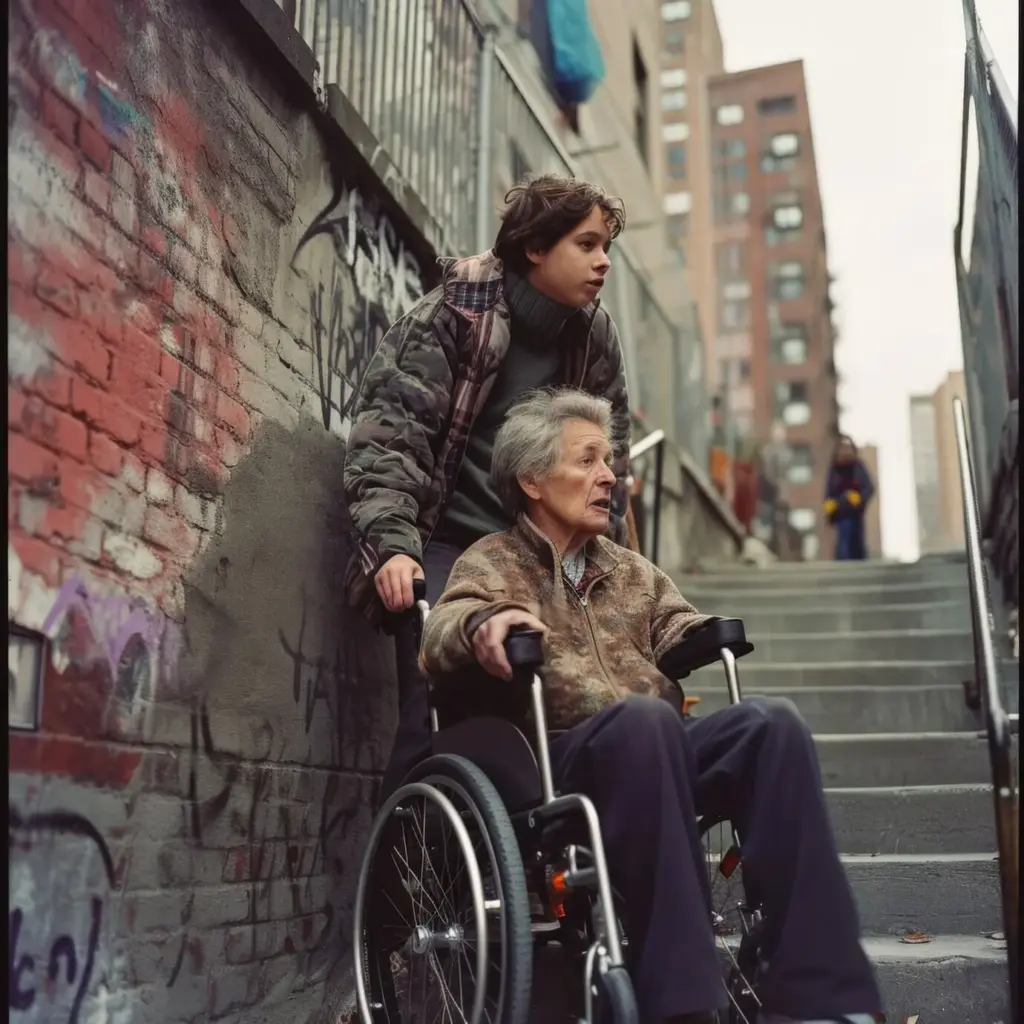
Short distances must still be equitable. Scan curb ramps, tactile paving, benches at reliable intervals, and audible signals. Try rolling luggage or a stroller to simulate mobility needs. Ask residents with disabilities about obstacles, winter maintenance, and whether shopkeepers keep aisles clear for safe passage.

Walkability and bikeability metrics you can verify

Sidewalk width, tree shade, driveway frequency, and lighting shape comfort. For bikes, favor protected lanes, low‑stress grids, and secure parking at destinations. Track your own trip times with a stopwatch. Combine observations with open data to corroborate impressions before negotiating price or contingencies.

Transit frequency, reliability, and fare integration

A nearby stop is worthless if service is sparse. Check headways, first and last runs, and real‑time reliability. Ask about fare capping and transfers that simplify errands. Ride the route during school dismissal and rainstorms to see true crowding, dwell times, and operator communication.

Housing Value, Costs, and Long‑Term Resale

Convenience often commands a premium. Learn to separate enduring value from hype by reading comps across street types and transit access. Account for lower transport costs, time saved, and potential rental demand. Consider special assessments, condo bylaws, and aging infrastructure that quietly shape household budgets.

Safety data beyond headlines

Raw crime numbers miss nuances. Examine types, locations, and trends alongside community responses. Safer routes to schools, traffic calming, and active block associations reduce risk perception. Ask residents about unreported issues like harassment, nighttime noise, or illegal turns that shape comfort and independence for walkers.

Schools, childcare, and learning ecosystems

Walkable access to schools is powerful when programs align with your goals. Tour classrooms, ask about recess spaces and arrival patterns, and study after‑school offerings. Proximity to libraries, makerspaces, and tutoring centers complements learning, while safer crossings support confident walking groups and parent volunteering traditions.

Community organizations and social trust

Neighborhood councils, mutual‑aid chats, and small business alliances build resiliency. Attend a meeting or cleanup to gauge participation. Notice bulletin boards, pop‑up markets, and porch greetings. Social trust predicts borrowing ladders, babysitting swaps, and quick help when storms or outages disrupt everyday routines across seasons.

Future‑Proofing: Climate, Policy, and Tech Readiness

Great locations evolve. Evaluate tree canopy, flood history, and heat islands. Track zoning reforms, bike network expansions, and transit funding commitments. Look for shared workspaces, fiber connectivity, and delivery lockers. Early movers benefit from rising convenience while planning for resilience against shocks that test urban systems.
Ruvuluvipuripafuta
Privacy Overview

This website uses cookies so that we can provide you with the best user experience possible. Cookie information is stored in your browser and performs functions such as recognising you when you return to our website and helping our team to understand which sections of the website you find most interesting and useful.