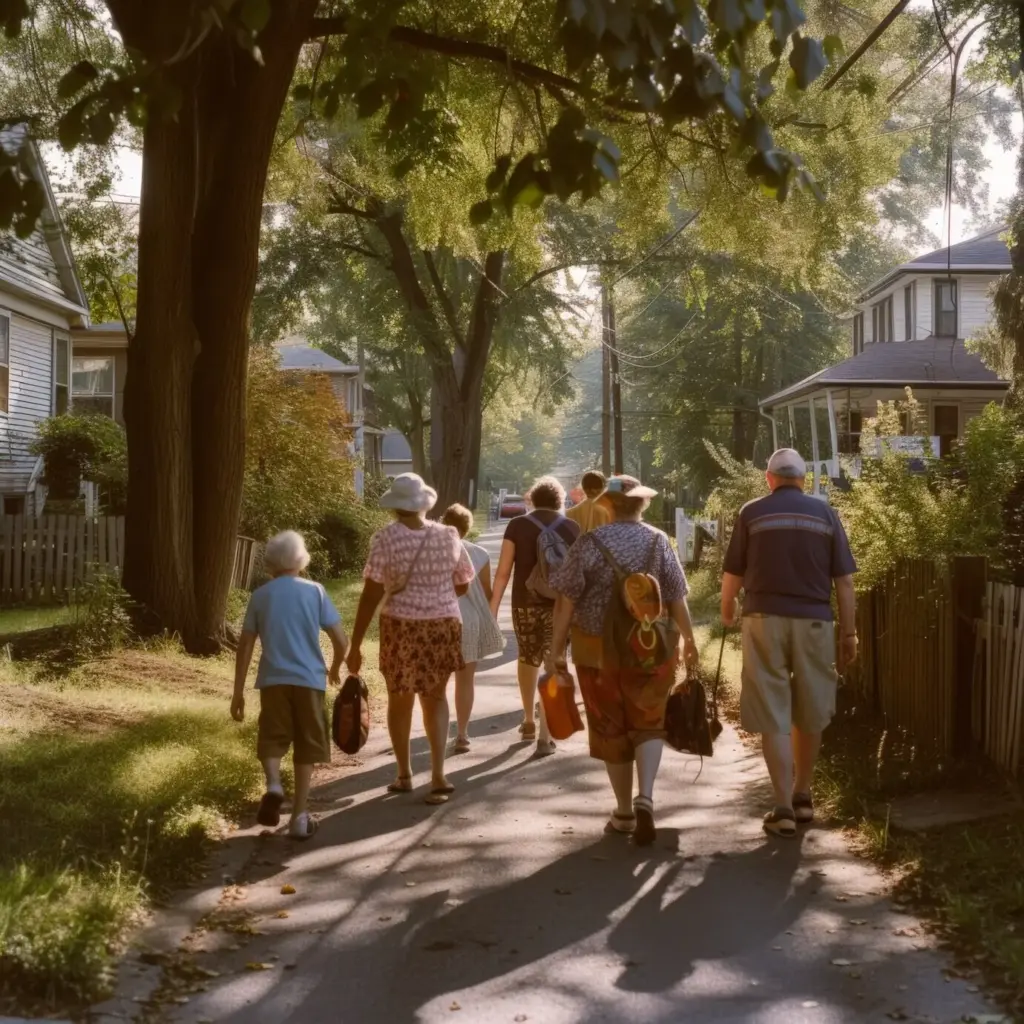
Step Into Streets That Simplify Your Day

Today we dive into Car-Light Living: Neighborhood Features That Make Daily Errands Walkable, turning everyday trips into easy, refreshing moments. We’ll unpack how corner stores, safe crossings, shaded sidewalks, and dependable transit shift routines from stressful driving to calm, connected walking. Expect stories, practical checklists, and proven design cues you can spot on your own block. Share your experiences, ask questions, and help shape a community that values time, health, and neighborly connection as much as convenience and accessibility.

Proximity That Works Harder Than Your Engine

When essentials sit within a ten- to fifteen-minute walk, errands morph from logistical puzzles into small, satisfying rituals. Proximity shrinks decision fatigue, reduces car dependency, and boosts serendipity—those happy, efficient moments when you pick up bread, greet a neighbor, and remember to grab stamps without a checklist. Mixed-use corners, small-format grocery options, and clinics placed near schools add a rhythm to daily life. Studies consistently show that clustered destinations raise walking rates, support local businesses, and keep money circulating nearby, delivering quiet wins that compound into meaningful lifestyle change.

Sidewalks That Invite, Not Endure

Walkability thrives where sidewalks feel continuous, comfortable, and human-scaled. Cracked slabs, missing curb ramps, or puddling edges turn simple trips into obstacles, especially for strollers, wheelchairs, and rolling carts. Good design prioritizes consistent widths, tactile cues, and curb cuts aligned with crossings. Shade trees soften heat, planters buffer traffic, and benches offer rest without pressure to buy anything. Add wayfinding signs, clear sightlines, and storefront activity, and suddenly walking becomes the default. The path itself becomes a promise: you will be safe, seen, and welcome, whatever your pace or ability.

Continuous Paths and Thoughtful Curb Ramps

Interrupted sidewalks break momentum and confidence, particularly for mobility aids. Consistent surfaces, gentle slopes, and curb ramps placed directly at crosswalks transform the experience from effortful to empowering. Materials matter: firm, even textures reduce tripping risk and help wheels glide. Aligning ramps, avoiding steep driveways, and maintaining drainage protect dignity as much as ankles. Paired with tactile paving and audible cues at intersections, these details invite independence for people of all ages, ensuring daily errands remain feasible even when carrying bags, guiding children, or navigating unpredictable weather.

Crossings You Barely Notice

The best crosswalks feel unremarkable because they seamlessly extend the sidewalk. Tight corner radii slow cars, raised tables reduce speed, and daylighted corners improve visibility by keeping parked vehicles back. Markings are bold, signals quick, and refuge islands forgiving. When crossing stops feeling like a gamble, errands expand across both sides of the street. You start choosing routes for flavor rather than fear, wandering to the café with the friendlier barista or the tailor who remembers your name. Confidence multiplies commerce, conversation, and willingness to explore.

Transit as a Walking Multiplier

Frequency You Can Trust

Timetables matter less when buses and trains arrive often. High frequency turns catching transit into a casual decision rather than a timed mission, which fits the fluid nature of errands. Short waits smooth over delays, and frequent service re-centers walking at both ends of the ride. Combine this with visible countdown clocks and you get a reliability you can feel in your shoulders. Light, predictable friction invites more trips, diversifies destinations, and helps households lower transportation costs without sacrificing spontaneity or time with family and friends.

Stops That Feel Like Places

Transit stops work best when they belong to the street, not the gutter. Shelters, seating, lighting, and nearby shops create a sense of hospitality. When you can grab a loaf of bread, return a library book, and board under one canopy, errands align naturally. Clear maps, accessible platforms, and level boarding remove invisible barriers. A dignified stop communicates respect, signaling that everyday riders deserve comfort. As the waiting environment improves, more people linger safely, supporting small businesses and knitting transit into the neighborhood’s daily heartbeat.

First and Last Steps Made Easy

Even frequent transit falters if the path to and from stops feels risky or confusing. Direct sidewalks, protected crossings, and bike parking make transfers fluid. Wayfinding signs, lighting, and planted buffers add calm. Think of rolling carts, small children, or a heavy backpack—every detail matters. Provide curb ramps aligned with doors, snow clearance, and quick signal response, and the system feels coherent. The goal is simple: let your feet carry you easily to the ride, and from the ride to your errands, without a second guessing detour.

Lighting and Visibility With Purpose

Effective lighting eliminates shadows without creating harsh glare, revealing expressions and obstacles while preserving a comfortable atmosphere. Fixtures placed at pedestrian height help faces feel familiar and reduce guesswork. Combine this with trimmed foliage, reflective crosswalk markings, and transparent bus shelters, and risk perception drops. People naturally walk farther when they can read the street at a glance. Businesses respond by extending hours, and neighbors feel confident stepping out after dinner. Small improvements in visibility often deliver outsized benefits for comfort, perceived security, and everyday independence.

Eyes on the Street, Not on a Screen

Active frontages—windows, porches, cafés, and stoops—welcome informal supervision. When shopkeepers greet passersby and homes face sidewalks, the street feels intentional and cared for. This gentle oversight deters misbehavior more effectively than empty signs. Community groups can schedule cleanups, add plantings, or host small sidewalk events to keep rhythms steady. The more you see familiar faces, the more you trust the route. In car-light neighborhoods, these social stitches matter, making the difference between a hurried dash and a relaxed, friendly walk that includes a quick hello.

Micromobility and Clever Carrying

Bikes and Carts That Carry Real Life

A front basket is nice; a cargo setup changes everything. With panniers, child seats, and a simple bungee, you suddenly handle weekly produce, a pharmacy run, and a spur-of-the-moment plant purchase. For walkers, a rolling crate or sturdy pushcart turns distance into dignity, keeping weight off joints. The key is predictability: protected bike lanes, curbside loading nooks, and ramps at entrances. When carrying feels easy and secure, you say yes to more local purchases, spreading support across small businesses without coordinating car access or parking.

Parking, Storage, and Trust

People use what they can safely park. Visible, covered racks near doors, indoor bike rooms with good lighting, and curated scooter parking zones create confidence. Add lockers at transit and shared tools for basic repairs, and micromobility graduates from novelty to infrastructure. Simple details—anchors for locks, weather protection, and helpful signage—respect the rider’s time. When theft risk drops and retrieval is effortless, more households consider downsizing car ownership. The result is a virtuous cycle of usage, visibility, and investment that strengthens walkable routines across seasons.

Options for Every Body

Equity requires choice. Adaptive bikes, seated scooters, and power-assist devices bring independence to riders with varied abilities. Pair inclusive hardware with accessible curb ramps, generous turning radii, and smooth surfaces, and riders navigate without fear of getting stuck. Lending libraries, training sessions, and community discounts lower barriers. Neighborhoods flourish when mobility matches diversity, ensuring daily errands remain possible through injury, aging, or changing family needs. The message is encouraging: you belong here, and the street will meet you with dignity and practical support every step of the way.

Rituals, Stories, and Local Joy

Walkable daily life is built from small, repeatable victories. A neighbor shared how switching to a five-minute loop for bread, medication, and a parcel pickup eased anxiety after a hectic year. Another parent described chatting with a bookseller while kids sampled free fruit at the greengrocer. These moments anchor resilience. Share your own route in the comments, subscribe for deep dives, and tell us what’s still missing. Your stories guide future guides, helping us map real streets, real needs, and a kinder cadence for everyday living.
Ruvuluvipuripafuta
Privacy Overview

This website uses cookies so that we can provide you with the best user experience possible. Cookie information is stored in your browser and performs functions such as recognising you when you return to our website and helping our team to understand which sections of the website you find most interesting and useful.