Step by Step: Building Safer, More Accessible Neighborhood Walks
Today we’re diving into auditing pedestrian safety and accessibility in candidate neighborhoods, translating lived experience and field data into clear priorities. Expect practical tools, compassionate listening, and design moves that respect every stride—parents with strollers, elders, wheelchair users, runners, commuters, and kids heading to school—so walking feels predictable, dignified, and genuinely welcoming.
Where to Start and Why It Matters
Begin by clarifying purpose, boundaries, and urgency, focusing on candidate neighborhoods where risk, opportunity, and community energy intersect. Blend crash records, near-miss reports, transit access, school proximity, and equity indicators to define a humane, transparent scope that centers people who walk today and those who have avoided walking because conditions feel unsafe or inaccessible.
Field Methods That Reveal Real Walking Conditions
Ground-truthing transforms maps into meaning. Schedule audits at varied times and seasons to catch school rushes, deliveries, darkness, and weather. Document obstructions, curb conditions, signal behavior, and driver yielding with photos, timestamps, and geotags, pairing methodical notes with empathetic narratives gathered while walking alongside people navigating everyday trips.
Sidewalk and Curb Inventory
Measure width, cross-slope, surface breaks, and utility conflicts. Note driveway density and whether ramps align with crosswalks. Confirm tactile warnings, flares, and landing areas meet accessibility standards. Remember that a tiny heave can be a wall for wheelchairs, walkers, or strollers, demanding thoughtful repairs, smooth transitions, and durable materials.
Crossings and Intersections
Observe marking visibility, legibility at night, refuge islands, and turning radii that influence speeds. Time walk phases, check countdowns, and consider installing leading pedestrian intervals. Watch drivers’ yielding behavior and placement of stop bars. Shorter crossings and sharper corners dramatically increase comfort, especially for slower walkers and children learning independence.
Lighting, Sightlines, and Personal Security
Survey illumination levels near crossings, bus stops, and mid-block paths. Note tree canopies, parked vehicles, and storefront signage that shape visibility and social presence. Consider pedestrian-scale lighting and clearer sightlines. People choose routes that feel watched, legible, and welcoming, particularly after dark or during early commutes in winter months.
Walk-alongs and Story Mapping
Host guided walks where residents narrate pinch points in real time: puddles hiding potholes, late signals, or aggressive turns. Pin geotagged voice notes and photos to a shared map. These stories illuminate patterns and quick fixes while honoring lived experience without burdening people to endlessly repeat concerns.
Surveys and Micro-Interviews at Corners
Short intercept interviews capture authentic choices: why someone avoids a block, how a parent sequences crossings with children, or whether a curb ramp feels navigable. Offer tiny thank-you vouchers. Summarize insights plainly, avoiding jargon, and report back publicly so contributors see themselves shaping priorities, not disappearing into spreadsheets.
Youth and Older Adult Perspectives
Invite students to map routes to school and elders to demonstrate crossing strategies and rest needs. You’ll hear about missing benches, fear of dogs, and winter snow berms. These details anchor investments in dignity—places to pause, clearer markings, gentle grades, and signals that respect human walking speeds.
Listening to the People Who Walk
No spreadsheet captures the anxiety of dashing with a stroller across a long, speeding corridor. Invite stories, not just checklists. Pair formal meetings with casual corner chats and door-to-door conversations, ensuring translators and stipends. Trust emerges when residents see feedback reflected in maps, timelines, pilot projects, and maintenance commitments.
Turning Observations into Actionable Data
Structure findings so decisions accelerate, not stall. Create a consistent checklist, clear photo conventions, and a scoring rubric that emphasizes equity and proximity to daily needs. Store data openly. When residents and staff share one source of truth, momentum grows and implementation becomes easier to defend and fund.
Design Moves that Make Walking Safer Now
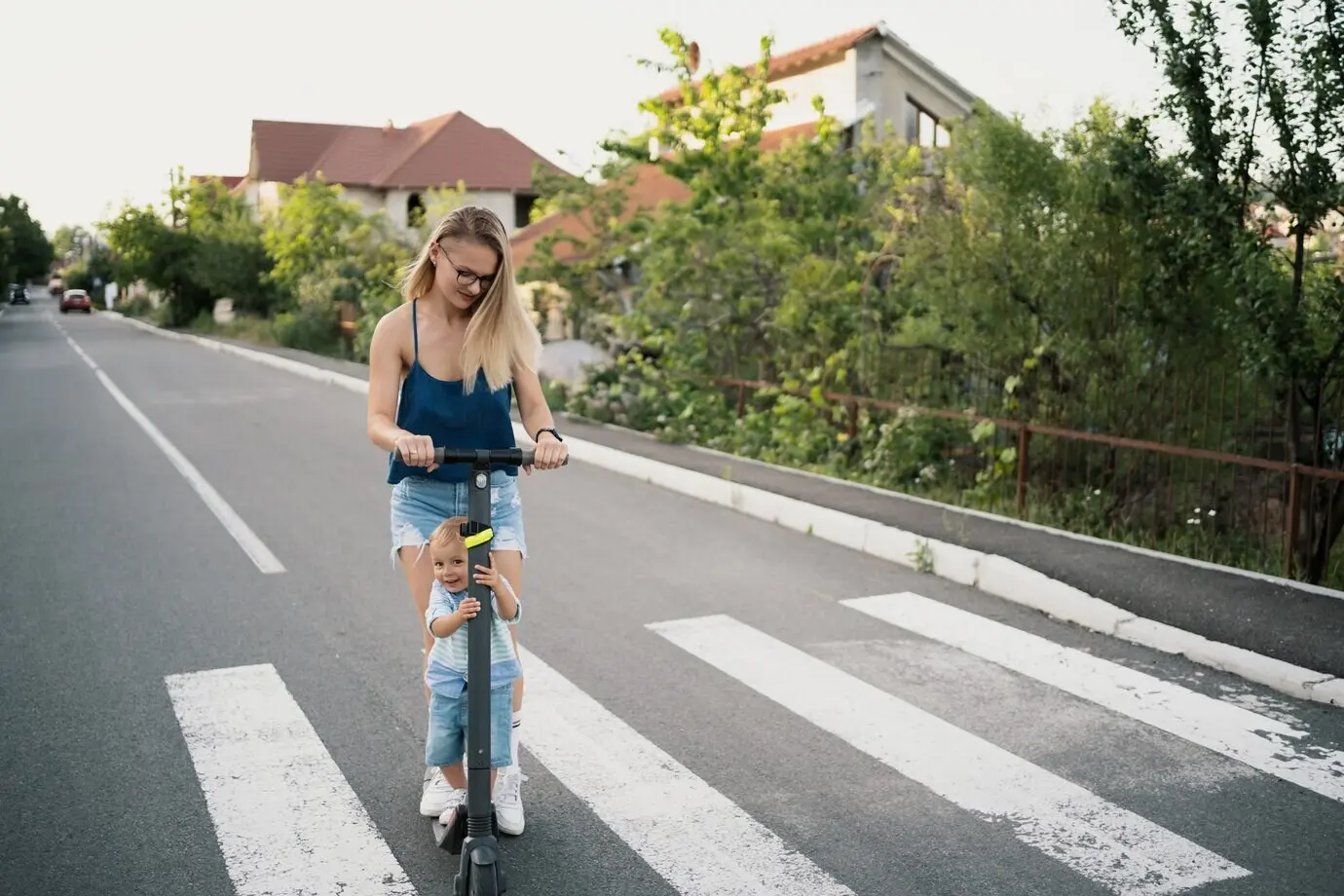
While capital projects mature, quick, inexpensive measures can transform comfort and behavior. Paint, posts, planters, and temporary signals clarify right-of-way and shorten exposure. Pair interim designs with clear evaluation and maintenance plans so successful pilots evolve into durable installations without losing the urgency that catalyzed early action.

Paint and Posts for Instant Clarity
Use daylighting to pull parking back from corners, add high-visibility crosswalks, and build low-cost curb extensions with posts. Tighten turning radii. These moves lower speeds, improve sightlines, and cue yielding. Residents often notice calmer behavior immediately, reinforcing trust and making it easier to champion bolder, permanent upgrades.

Signals, Speeds, and Crosswalk Priority
Introduce leading pedestrian intervals, protect left turns where feasible, consider no-turn-on-red at complex crossings, and adjust timings for slower walking speeds. Lower design speeds with narrower lanes or chicanes. Raised crosswalks or speed tables increase yielding, particularly near schools, clinics, and transit stops where vulnerable users concentrate daily.

Maintenance, Enforcement, and Education
Even perfect geometry fails if paint fades, snow blocks ramps, or vegetation swallows signs. Commit to routine refreshes, rapid pothole repair, and coordinated snow removal. Align targeted enforcement with driver education and culturally relevant safety campaigns, emphasizing respect for people walking rather than punishment for its own sake.
Sustaining Momentum and Measuring Impact
Keep the loop alive after ribbon cuttings. Publish progress openly, continue intercept counts, and invite residents to flag regressions. Celebrate near-miss declines as loudly as crash reductions. Partnerships with schools, health providers, and small businesses magnify benefits, keeping walking improvements tied to daily life rather than one-time announcements.